Image credit: Hollender X2 / The Image Bank / Getty Images
By Jonathan Cristaldi | April 16th, 2025
In Napa Valley, ‘second labels’ aren’t always second best. While Bordeaux offers a time-honoured template, Napa’s versions are as diverse as the estates themselves — born not from leftovers, but from intention, innovation, and a desire to tell a different side of the story. Napa correspondent Jonathan Cristaldi reports.
In Bordeaux, the ‘second wine’ concept is both well-established and well-defined.
These wines, often called ‘second labels,’ are traditionally crafted from lots that don’t make the cut for the château’s grand vin.
Whether the fruit comes from younger vines, less favoured plots, or barrels that don’t align with the stylistic ideal of the flagship bottling, the idea is to preserve the prestige of the top wine while offering consumers a more accessible (and more affordable) entry into the estate’s style.
But in Napa Valley, as with much in the New World, the rules are looser, the philosophies more varied, and the marketing less beholden to tradition.
Wines of intentionality
This theme – intentionality rather than inferiority – runs through many of the wines often grouped under the second-label banner in Napa. While some are made from barrels or lots not included in the flagship bottling, others are produced from estate blocks explicitly earmarked for these wines.
Still others blend purchased fruit with estate-grown grapes, or are crafted to appeal to a different audience entirely.
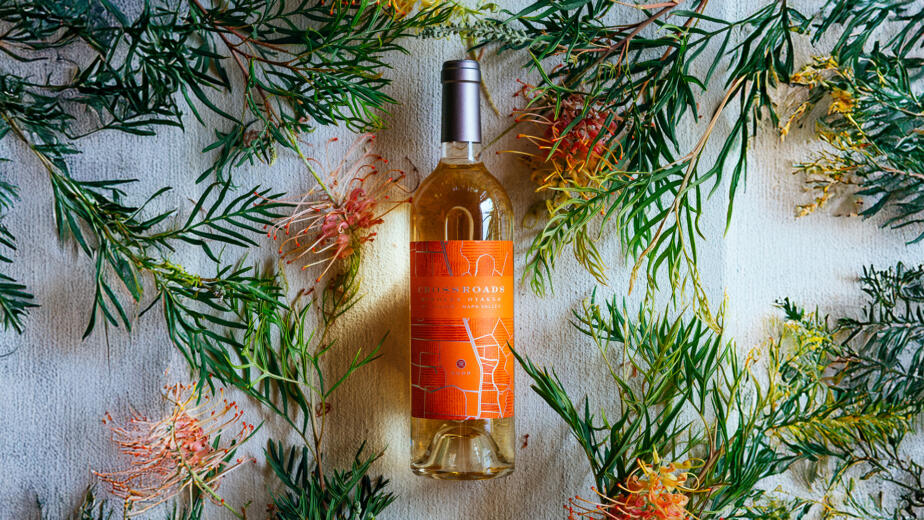
Rudd’s Crossroads, Dalla Valle’s Collina, Bryant’s DB4, Accendo’s Laurea, Kinsman Eades’ Hierothesion, and Bella Oaks Le Genie all walk this line. They are wines born not from leftovers, but from decisions about style, accessibility, and audience.
Some lean into approachability and fruit-forward charm, while others still require time in the bottle to reveal their full potential.
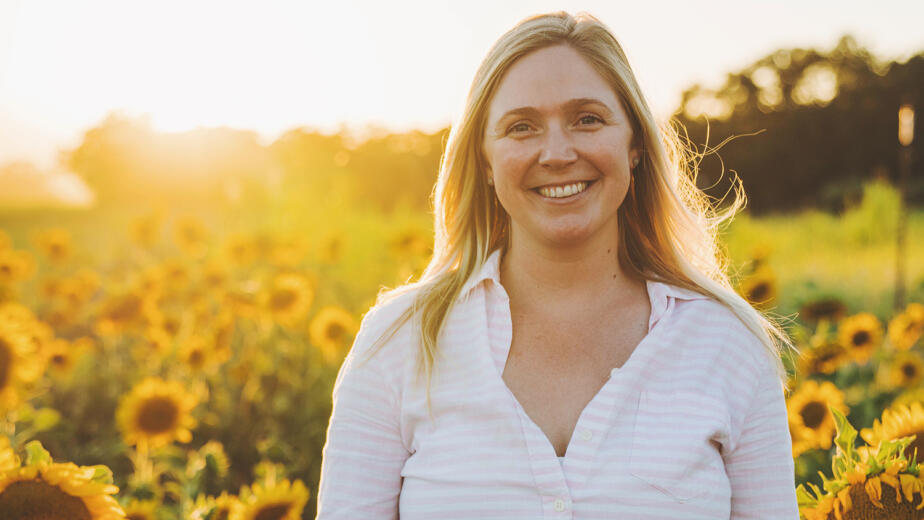
‘My father founded Rudd Estate in 1996, with a vision to craft the ultimate expression of terroir,’ says his daughter, vintner Samantha Rudd.
‘We launched the Crossroads wines as a limited-edition second label from 2004 to 2008. But when my father passed away in 2018, I felt it was time to return the Crossroads label and fully use the land and the grapes we source for it.’
Rudd sources from organically and biodynamically farmed sites in the Oakville and Mt. Veeder appellations, crafted by winemaker Natalie Bath. The Crossroads wines serve as an introduction to Rudd’s higher-end estate offerings.